
Why Pipe Sizing Matters More Than You Think
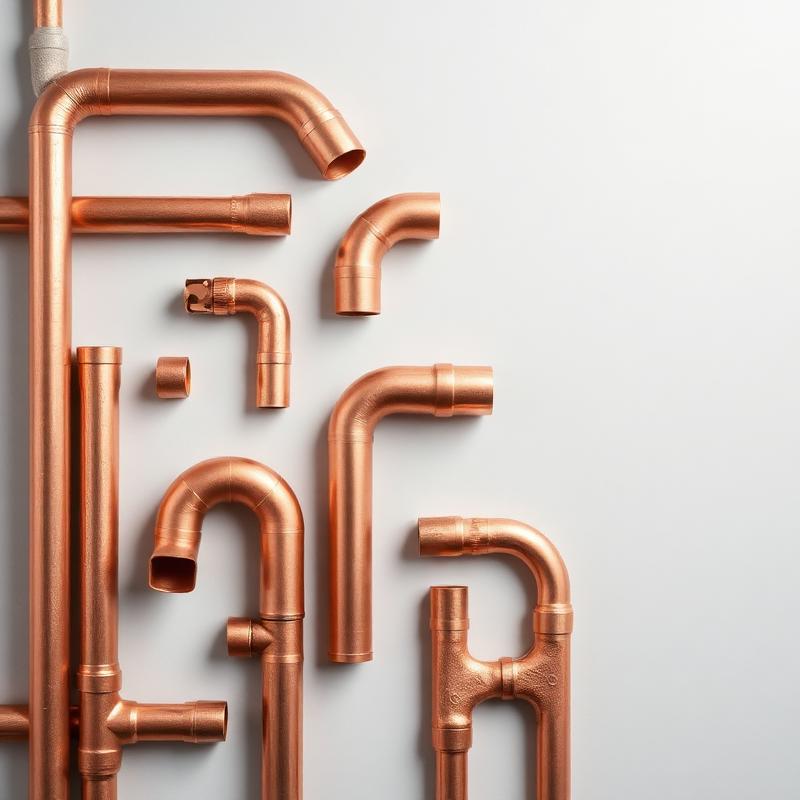
Quick Highlights
✅ Improves water flow performance
✅ Reduces pressure loss
✅ Prevents costly system failures
✅ Increases energy efficiency
✅ Extends system lifespan
✅ Supports regulatory compliance
Why Pipe Sizing Is So Important
Many installers focus on materials, fittings, and equipment but underestimate the importance of selecting the correct pipe diameter.
Proper pipe sizing directly affects:
- Water pressure
- Flow rate
- Energy consumption
- System reliability
- Maintenance requirements
- User satisfaction
Even the highest-quality plumbing system can perform poorly if the pipes are incorrectly sized.
What Happens When Pipes Are Too Small?
Undersized pipes create restrictions that impact system performance.
Common Problems
❌ Low water pressure
❌ Reduced flow rates
❌ Increased noise and vibration
❌ Higher energy consumption
❌ Faster wear on pumps and equipment
❌ Frequent maintenance issues
Real-World Impact
When multiple fixtures operate simultaneously, undersized pipes may struggle to supply adequate water, causing noticeable pressure drops throughout the building.
What Happens When Pipes Are Too Large?
Many people assume larger pipes are always better—but that's not true.
Potential Issues
❌ Higher installation costs
❌ Increased material expenses
❌ Slower water velocity
❌ Water quality concerns
❌ Reduced system efficiency
Why It Matters
Oversized pipes can lead to stagnant water and unnecessary project costs without improving performance.
Key Benefits of Correct Pipe Sizing
1. Improved System Efficiency
Properly sized pipes allow water to flow efficiently throughout the system.
Benefits
✔ Consistent water pressure
✔ Better flow performance
✔ Reduced energy use
✔ Improved equipment operation
2. Lower Operating Costs
Correct sizing helps minimize unnecessary energy consumption.
Cost Savings Include
- Reduced pumping requirements
- Lower maintenance expenses
- Improved system longevity
- Fewer repairs over time
3. Better User Experience
Whether in residential, commercial, or industrial buildings, users expect reliable performance.
Results
✔ Consistent water delivery
✔ Better pressure at fixtures
✔ Reduced disruptions
✔ Greater occupant satisfaction
4. Extended Equipment Life
Poor pipe sizing can place unnecessary strain on pumps, valves, and mechanical systems.
Benefits
✔ Less wear and tear
✔ Fewer breakdowns
✔ Longer equipment lifespan
✔ Improved reliability
Factors That Influence Pipe Sizing
Several factors must be considered before selecting pipe dimensions.
Important Considerations
- Water demand
- Flow requirements
- Pressure requirements
- Pipe material
- Building size
- Number of fixtures
- Future expansion plans
- Local building regulations
Every project has unique requirements that influence sizing decisions.
Common Pipe Sizing Mistakes
Avoid these frequent installation errors:
Installation Mistakes
❌ Guessing pipe sizes
❌ Ignoring pressure loss calculations
❌ Failing to account for future demand
❌ Using the same size throughout the system
❌ Overlooking local regulations
❌ Selecting based solely on cost
Pipe Sizing Best Practices
For optimal performance, installers should:
Follow These Guidelines
✔ Calculate expected flow demand
✔ Consider peak usage periods
✔ Review pressure requirements
✔ Use approved design standards
✔ Verify compliance with regulations
✔ Consult manufacturer recommendations
✔ Plan for future system growth
Industry Applications
Proper pipe sizing is critical across many industries.
Residential Buildings
- Homes
- Apartments
- Housing developments
Commercial Buildings
- Offices
- Hotels
- Retail centers
- Restaurants
Industrial Facilities
- Manufacturing plants
- Processing facilities
- Warehouses
- Utility infrastructure
Installer Checklist
Before finalizing any installation:
☐ Verify flow requirements
☐ Review pressure calculations
☐ Check applicable regulations
☐ Confirm equipment specifications
☐ Select suitable pipe materials
☐ Document sizing decisions
☐ Test system performance
Key Takeaways
📌 Correct pipe sizing is essential for system performance.
📌 Undersized pipes can cause pressure and flow problems.
📌 Oversized pipes can increase costs and reduce efficiency.
📌 Proper sizing improves reliability and lowers maintenance.
📌 Accurate calculations help ensure long-term success.
📌 Following industry standards reduces compliance risks.
Frequently Asked Questions
Why is pipe sizing important?
Pipe sizing affects water pressure, flow rate, efficiency, maintenance costs, and overall system performance.
Can oversized pipes cause problems?
Yes. Oversized pipes can increase installation costs, reduce water velocity, and negatively impact efficiency.
How do professionals determine pipe size?
Pipe size is determined using flow requirements, pressure calculations, building demand, and applicable regulations.
Does pipe sizing affect energy consumption?
Absolutely. Properly sized pipes reduce resistance and help systems operate more efficiently.
Conclusion
Pipe sizing may seem like a small detail, but it has a major impact on the performance, efficiency, and longevity of any plumbing or mechanical system. By understanding flow requirements, pressure demands, and industry standards, installers can make informed decisions that improve reliability, reduce costs, and deliver better results for clients.

Smart thermostats: are they worth the cost?
Designing a luxury bathroom on a real budget
Why Pipe Sizing Matters More Than You Think
2026 Building Regulations: What Installers Need to Know for Compliance and Performance
MagnaClean vs Alternatives: What Actually Works?
Choosing the Right Combi Boiler for Your Home
Elite Supplies
Need Professional Plumbing Supplies?
Browse trusted heating, plumbing and trade products for professionals and homeowners. Next-day delivery on stocked lines.
- 12,000+ trade lines in stock
- 12,000+ trade lines in stock
- Next-day UK delivery
- Gas Safe approved brands
- Up to 35% trade discount